Healer Beyond Borders: The Enduring Legacy of Dr. Sushil Razdan
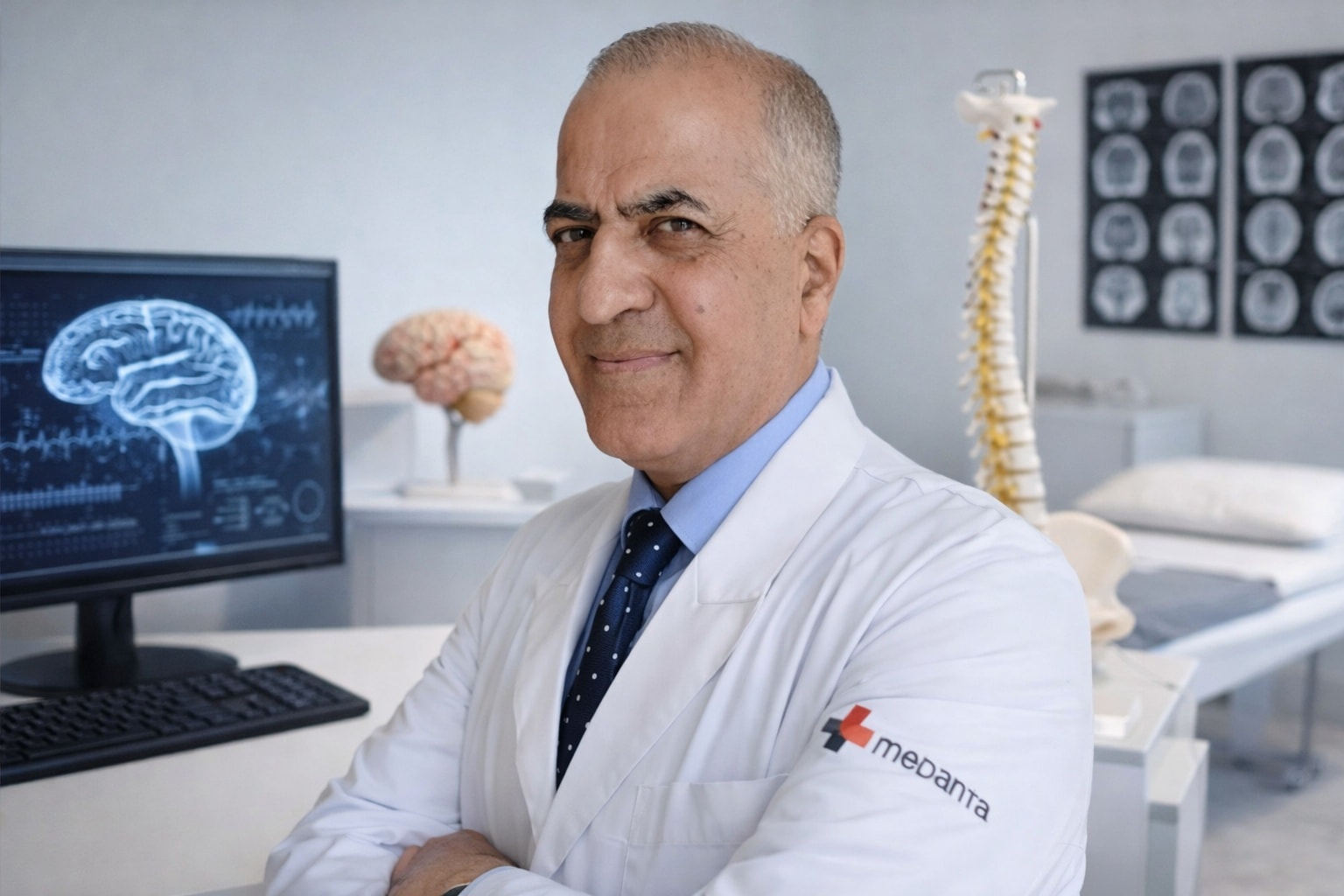
His life stands as a testament to what it means to be a true healer: one who not only cures illness but also restores hope, dignity, and faith
The life and legacy of Dr. Sushil Razdan represent a rare confluence of professional excellence, human compassion, and cultural rootedness that few individuals achieve in a lifetime. At a time when societies often grapple with division and uncertainty, his journey offers a deeply reassuring narrative—one grounded in service, humility, and an unwavering commitment to humanity. For decades, Dr. Razdan has stood as a pillar of hope for countless patients from Kashmir and beyond, earning admiration across communities and securing his place among the finest physicians the Valley has produced.
Born into a family that valued discipline, education, and moral integrity, Dr. Razdan inherited his foundational ethos from his father, Sat Lal Razdan, a revered educationist known for his fairness and principled approach to teaching. Recalling his formative years, Farooq Abdullah once shared how Sat Lal Razdan treated every student equally, irrespective of background or status. This spirit of equality left a profound imprint on Dr. Sushil Razdan, shaping his belief that medicine must transcend all boundaries—religious, social, and economic. It is this deeply ingrained philosophy that has defined his lifelong service.
Emerging as one of India’s leading neurologists, Dr. Razdan played a pioneering role in advancing neurological care in Kashmir, particularly during his association with SKIMS Soura. At a time when specialised medical services were still evolving in the region, his expertise brought new hope to patients suffering from complex neurological conditions. His diagnostic precision, intellectual depth, and clinical insight earned him the respect of peers and patients alike. Yet, beyond his professional brilliance, it was his humane approach to healing that truly distinguished him.
For Dr. Razdan, medicine has never been confined to prescriptions and procedures; it has always been about understanding the human condition in its entirety. As Mirwaiz Umar Farooq observed, many patients felt a sense of relief simply through their interaction with him. His gentle manner, attentive listening, and reassuring words often became the first step toward recovery. He exemplifies a rare blend of scientific excellence and emotional intelligence—qualities that define a true healer.
Over the years, Dr. Razdan has treated thousands of patients, many of whom regard his advice as the final word in their medical journey. His reputation for honesty, ethical practice, and professional integrity is unparalleled. It is often said that one would struggle to find a patient dissatisfied with him—not merely because of his competence as a doctor, but because of his character as a human being. Known for extending free treatment to the underprivileged, he has consistently upheld the highest ideals of medical ethics.
In Kashmir’s collective memory, Dr. Razdan stands alongside legendary figures such as Dr. Ali Jan, symbolising a tradition of healing rooted in compassion and service. Like Dr. Ali Jan, he is loved and respected across communities—Muslims, Hindus, and Sikhs alike—embodying the inclusive spirit that has long defined Kashmiri society. His life thus becomes a living expression of Kashmir’s composite culture and its enduring ethos of brotherhood.
The recent launch of his biography, ‘Healer in Exile: The Untold Story of Dr Sushil Razdan’, in Srinagar, brought this shared admiration into sharp focus. The event witnessed an extraordinary gathering of political leaders, religious figures, administrators, academicians, and members of civil society. The presence of figures such as Farooq Abdullah, Mirwaiz Umar Farooq, and Saifuddin Soz reflected the universal respect Dr. Razdan commands. In a region often marked by divisions, the event became a rare moment of unity—an acknowledgement that transcended ideological and communal lines.
At the heart of this important work is the author of the biography, Sachin Razdan, whose effort has transformed a personal narrative into a collective memory. Spending nearly three to four years researching, documenting, and engaging with people who had known and interacted with his father, Sachin Razdan has crafted a deeply moving account of a life dedicated to service. His work is not merely a biographical record but a labour of love—an attempt to preserve the legacy of a healer whose contributions might otherwise remain scattered across the memories of countless individuals.
Sachin Razdan’s narrative captures both the professional milestones and the personal dimensions of Dr. Sushil Razdan’s journey. It situates his father’s achievements within the broader historical and social context of Kashmir, offering readers a nuanced understanding of the challenges and triumphs that have shaped his life. By weaving together testimonies, experiences, and reflections, the author succeeds in presenting a portrait that is at once intimate and universal. In doing so, he ensures that the story of Dr. Razdan is not only remembered but also appreciated by future generations.
The title of the biography, ‘Healer in Exile’, has evoked thoughtful discussion. While it reflects the painful history of displacement experienced by many Kashmiri Pandits, several voices, including Saifuddin Soz, have questioned its appropriateness in Dr. Razdan’s case. They argue that he was never truly in exile, as he remained deeply connected to Kashmir—emotionally, culturally, and professionally. Even after relocating to Jammu, he continued to serve Kashmiri patients with the same dedication, with many travelling long distances to seek his counsel.
Indeed, the notion of exile seems inadequate to describe a man whose roots in Kashmir have remained unshaken. Dr. Razdan has never severed his ties with the Valley; rather, he has continued to nurture them through his work and his relationships. His frequent visits, ongoing engagement with patients, and enduring emotional attachment affirm that his connection to Kashmir transcends geography.
At a deeper level, his life represents a bridge between communities and a reminder of Kashmir’s shared heritage. The migration of Kashmiri Pandits remains a deeply felt loss, but figures like Dr. Razdan embody the possibility of reconciliation and continuity. His work reflects a belief in the fundamental unity of humanity—a belief that is urgently needed in today’s world.
Dr. Razdan’s journey is also one of resilience. Despite the challenges posed by displacement, he not only sustained his professional excellence but expanded his reach, continuing to serve patients with the same commitment. His story demonstrates that true dedication knows no boundaries and that the spirit of service can overcome even the most difficult circumstances.
Beyond his professional achievements, what defines Dr. Razdan is his character. Those who have interacted with him describe him as soft-spoken, disciplined, and deeply compassionate. His approach to medicine is holistic, recognising that healing involves addressing both physical and emotional dimensions. This perspective has made him not just a doctor but a trusted companion in the journeys of countless patients.
The biography by Sachin Razdan thus serves as a fitting tribute to a life lived in service of others. It captures the essence of a man who has touched innumerable lives, often in quiet and unassuming ways. It also reminds us of the importance of documenting such lives, for they hold lessons that extend far beyond individual achievement.
In honouring Dr. Sushil Razdan, Kashmir honours its own finest traditions—its commitment to knowledge, its spirit of inclusivity, and its enduring faith in humanity. His life stands as a testament to what it means to be a true healer: one who not only cures illness but also restores hope, dignity, and faith.
Even today, Dr. Razdan continues to serve with the same dedication that has defined his career. His clinic remains a place where patients find not just treatment, but understanding and reassurance. And as long as he continues this noble work, his legacy will keep growing, inspiring new generations to follow in his footsteps.
In the final analysis, Dr. Sushil Razdan is far more than a distinguished neurologist. He is a symbol of resilience, compassion, and unity—a healer not in exile, but at the very heart of Kashmir’s collective consciousness. And through the devoted work of his son, Sachin Razdan, his story will continue to illuminate the path for years to come.
(Dr Hamid Naseem Rafiabadi, also known as Dr Hamidullah Marazi, is a distinguished contemporary Islamic scholar whose work significantly contributes to the dialogue between Islamic philosophy and modern Western thought. He is the author of several books. Feedback: hamidnaseem@gmail.com)
Related Posts
-

The Cost of Our Lifestyle Choices
-

Fear, Fuel, and the Politics of Perception
-

The Architect of Mu’amila-Bandi: Momin Khan Momin and the Poetics of Romantic Realism
-

Is Healthcare Sector shifting from Service-Oriented Care to Profit-Driven Practice?
-

Vanishing Wetlands in Kashmir
-

It’s The Driving Sense That Can Save Lives…!
-

Bridging the Awareness Gap and the AI-Driven Future of Mobility in Jammu & Kashmir
-

Sir Syed Sani: A Legacy of Knowledge, Unity, and Moral Authority
-

A Day of Bills and Backtracks: What NC’s Assembly moves Reveal about Legislative Intent
-

Why our Elders deserve Care, Love, and a Place at the Heart of Society
-

The Need for Corporate Social Responsibility in Kashmir Valley
-

The Plague Doctor of Islamabad
-

The Phenomenon of a Rolling Aspirant: A gentle plea to rethink career switching
-

Gender Neutral Representation in Jammu And Kashmir’s Textbooks: The Reform that Can’t Wait
-

The Dying Art of Houseboat Making

Leave a comment