‘HFMD cases rising in Kashmir, keep infected children home’
-
 RK Special Desk
- Comments 0
- 05 May 2026
No specific treatment; supportive care only; return to school after 5-7 days: Dr Suhail Naik • One-week isolation at home • Soft, cold foods only • Strict hand hygiene • No school during fever • Avoid kissing, hugging
DOS AND DON'TS
Kashmir hospitals are witnessing a rise in cases of Hand, Foot and Mouth Disease (HFMD), a common infectious illness that affects children under five years of age, though adolescents and occasionally adults can also contract it. The disease is highly contagious but generally benign, with no significant mortality or long-term morbidity.
In most cases, HFMD is mild and self-limiting. However, cases are steadily increasing across schools in the Valley. Rising Kashmir's senior reporter and Health Correspondent Mansoor Peer, in conversation with Dr Suhail Naik, Senior Consultant and Assistant Professor in the Department of Paediatrics at GMC Srinagar, discusses the causes, symptoms, and preventive measures to curb the spread of HFMD.
Q: Q: What causes HFMD?
Dr Suhail: Hand, Foot and Mouth Disease (HFMD) is caused by enteroviruses, most commonly Coxsackievirus A16 and Enterovirus 71. The infection spreads through close contact with an infected person via saliva, droplets from coughing or sneezing, and fluid from blisters.
It spreads rapidly, particularly in schools and daycare centres, where infected children can carry the virus home and transmit it to younger children, especially those under five years of age.
Q: Who is most commonly affected?
Dr Suhail: HFMD mainly affects children under five years of age because their immunity is still developing, maturing, and upgrading. However, older children and even adults can get infected, particularly if they have not been previously exposed to the virus.
Q: Why are outbreaks common in schools and playgroups?
Dr Suhail: As I mentioned, its rate of transmission is high and it spreads like wildfire. Therefore, the majority of school children develop symptoms within a short frame of time.
Q: What are the early symptoms?
Dr Suhail: Symptoms include low to moderate fever, sore throat, reduced appetite, poor feeding, irritability, and crying in young children. These symptoms typically appear three to six days after exposure. Then, within one to two days of the above symptoms, the child develops painful ulcers inside the mouth, causing difficulty in eating and drinking and a lot of food fussiness.
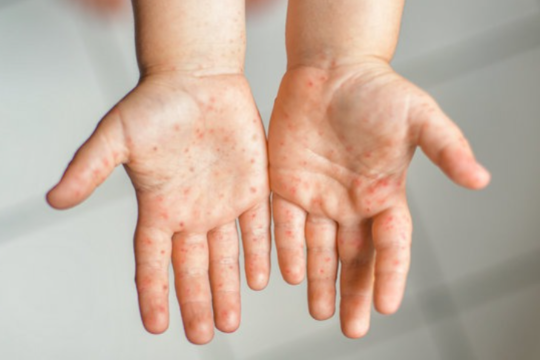
A rash appears on the hands and feet, often as small red spots that may turn into fluid-filled blisters. A similar rash may also be seen on the buttocks, knees, or elbows in some children. The rash is usually not itchy but may be tender and mildly painful.
Q: Are there any complications?
Dr Suhail: HFMD is usually a mild illness and does not lead to serious complications in most cases. However, medical attention should be sought if a child is unable to drink fluids (as this increases the risk of dehydration) or if there is a persistent high fever lasting more than three days. Other warning signs include lethargy, excessive drowsiness or irritability, as well as symptoms like vomiting or difficulty breathing.
Q: What should the child be fed during illness?
Dr Suhail: Due to painful mouth ulcers, feeding should focus on soft, soothing, and easy-to-swallow foods such as khichdi, dal-rice, curd, yoghurt, mashed banana, coconut water, cold milk, and plenty of fluids to prevent dehydration. In extreme situations, we even allow parents to give ice cream to the child. Small, frequent feeds are better tolerated than large meals.
Q: What foods should be avoided?
Dr Suhail: Foods that irritate mouth ulcers should be avoided, including:
- Spicy and sour fruits (orange, lemon)
- Hot food or drinks
- Hard or crunchy items
Q: Should the child attend school during illness?
Dr Suhail: No. Children with HFMD should remain at home during the active phase of illness to prevent spread to other children. HFMD is highly contagious during the first week.
Q: When can the child safely return to school?
Dr Suhail: The child can return when:
- Fever has completely resolved
- The child is active and eating normally
- Blisters have dried or healed
This usually takes about five to seven days. If any child develops an illness at school, the school authorities should immediately isolate the child, apply glycerin to the mouth, and send the child home.
Q: How can the spread be prevented?
Dr Suhail: Since it is highly contagious, families must focus on:
- Frequent handwashing with soap, especially after diaper changes or toilet use
- Avoiding close contact, such as kissing and hugging, during illness
Q: Is there any vaccine or specific treatment?
Dr Suhail: There is no specific antiviral drug for HFMD. Management is purely supportive, including fever control (paracetamol), adequate hydration, and pain relief for mouth ulcers. The illness is usually self-limiting.
The disease is a common, usually mild childhood illness, but it spreads quickly in communities. Early recognition, good hygiene, proper nutrition, and temporary isolation are essential to protect other children and control outbreaks.
Related Posts
-

“Prevention is the key”: Docs raise alarm on rising cervical cancer in Kashmir
-

"This journey has just begun”: BCCI President on J&K’s Ranji Breakthrough
-

"Rebuilding trust comes first," says Mirwaiz on ‘KPs' return’
-

Face to Face: The Queen who defied empires: Khwaja Farooq Renzushah on Sultana Kota Rani’s enduring legacy in Kashmir
-

Face to Face: My focus solely on addressing core issues of people: Jibran Dar
-

This winter we expect surge in tourist footfall: Dir Tourism Kashmir
-

I wonder why we go to Switzerland when we have place like Kashmir here: Krushna Abhishek
-

SMC preparing a ‘Detailed Drainage Master Plan’ to mitigate drainage issues in City: Commissioner SMC
-

Rhinoplasty has changed life of operated patients: Dr Shafqat Islam
-

Meet Rukhsana Manzoor: A homemade chef
-

Type 2 diabetes is now common among youngsters below the age group of 25: Dr SharikMasoodi
-

Breast cancer: The risk, causes and treatment
-

Healthy Ramadan: Tips for balanced and nutritious diet
-

‘Koshur Scientist’: Tral youth’s endeavor of building AI-powered learning ecosystem to transform education
-

NIFT Srinagar's students shine in international youth exchange programs: Dr Wani

Leave a comment